
An Order Without a Battlefield
Across the River and into the TreesThis flow examines the tension between military obedience and individual conscience through Cantwell’s recollections of operations that cost lives.
increasing Bearing strength in each event
 decreasing
Bearing strength in each eventdecreasingThe Soldier’s Rule
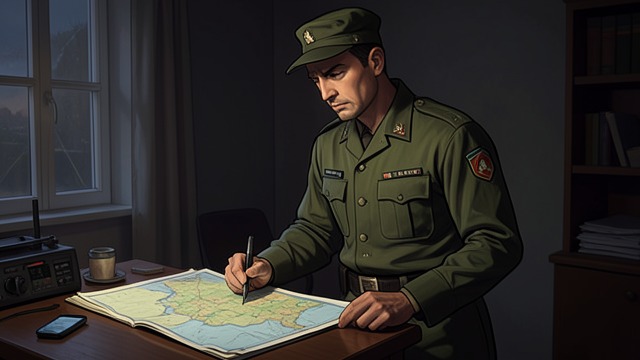
The Soldier’s Rule
Obedience expected
Cantwell and Gran Maestro remember soldiers trying to avoid attacks they believed were futile. Their knowledge is rooted in the pressure to obey orders despite fear.
A moral dilemma
The soldier’s choice is not simply between courage and cowardice. It is also a conflict between survival and a command structure that may send men to die.
The Map and the Telephone
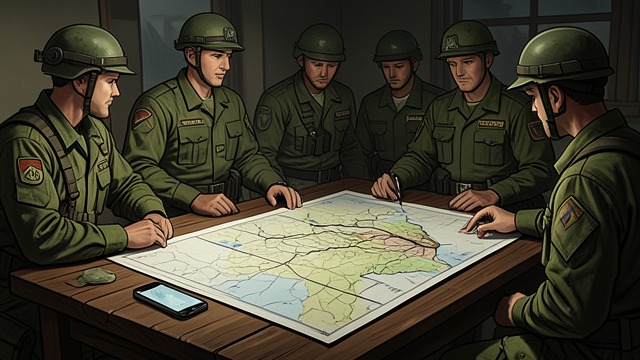
The Map and the Telephone
Orders transmitted
Cantwell describes issuing commands by phone and organizing forces on maps. The systems make large operations possible, but separate decision makers from those who face the fire.
Responsibility distributed
Every level can claim to be following orders from above or below. Cantwell recognizes that this chain can obscure responsibility without eliminating it.
The Assault Required
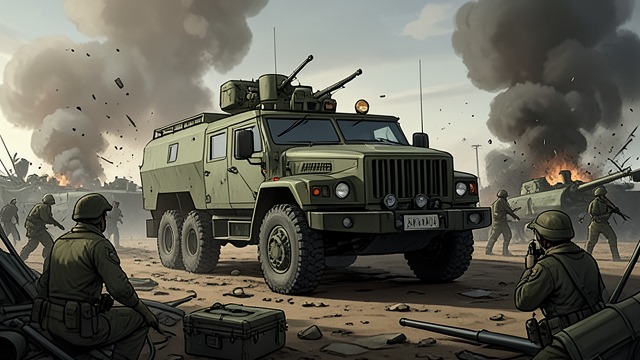
The Assault Required
A town made important
Cantwell recalls receiving an order to take a town by assault because it had become prominent in reports. A less costly surrender might have been possible, but the order demands an attack.
The cost paid below
Companies and tanks are destroyed, and men die to satisfy a decision made far from them. Cantwell carries out the operation while judging its logic inadequate.
The Regiment in the Forest
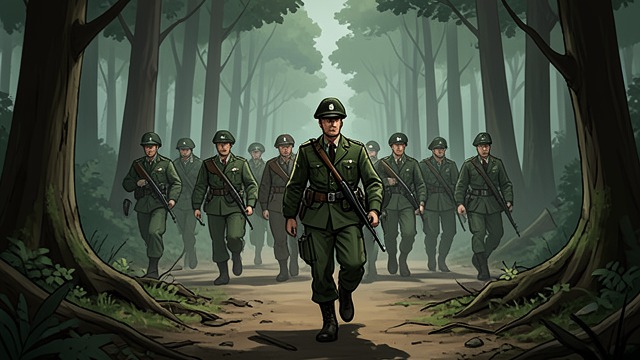
The Regiment in the Forest
Commitment before the attack
Cantwell’s regiment is sent forward before the larger operation begins. The commitment exposes its identity and gives the enemy a clear target.
Loss beyond repair
The regiment is destroyed and rebuilt through replacements. Cantwell remembers the unit as beautiful and himself as the officer who destroyed it under orders.
The Burden Kept
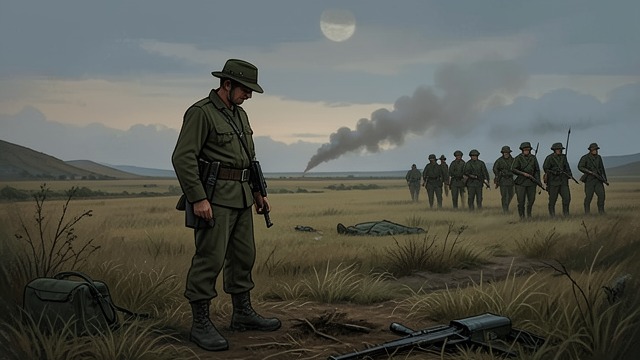
The Burden Kept
No absolution sought
Cantwell speaks about the losses but does not claim that obedience makes him innocent. He carries the decisions as part of his own record.
A witness, not a judge
Renata listens without pretending she can erase the dead or settle the argument. Her presence offers companionship rather than a verdict.
During Cantwell’s conversation with Gran Maestro
During Cantwell’s account of his general’s role
During Cantwell’s account of taking a town
During the Hürtgen Forest account
During Cantwell’s final hours with Renata
